

NZ: Review of Parent Category Visas
Immigration New Zealand is reviewing the Parent Category visa settings.
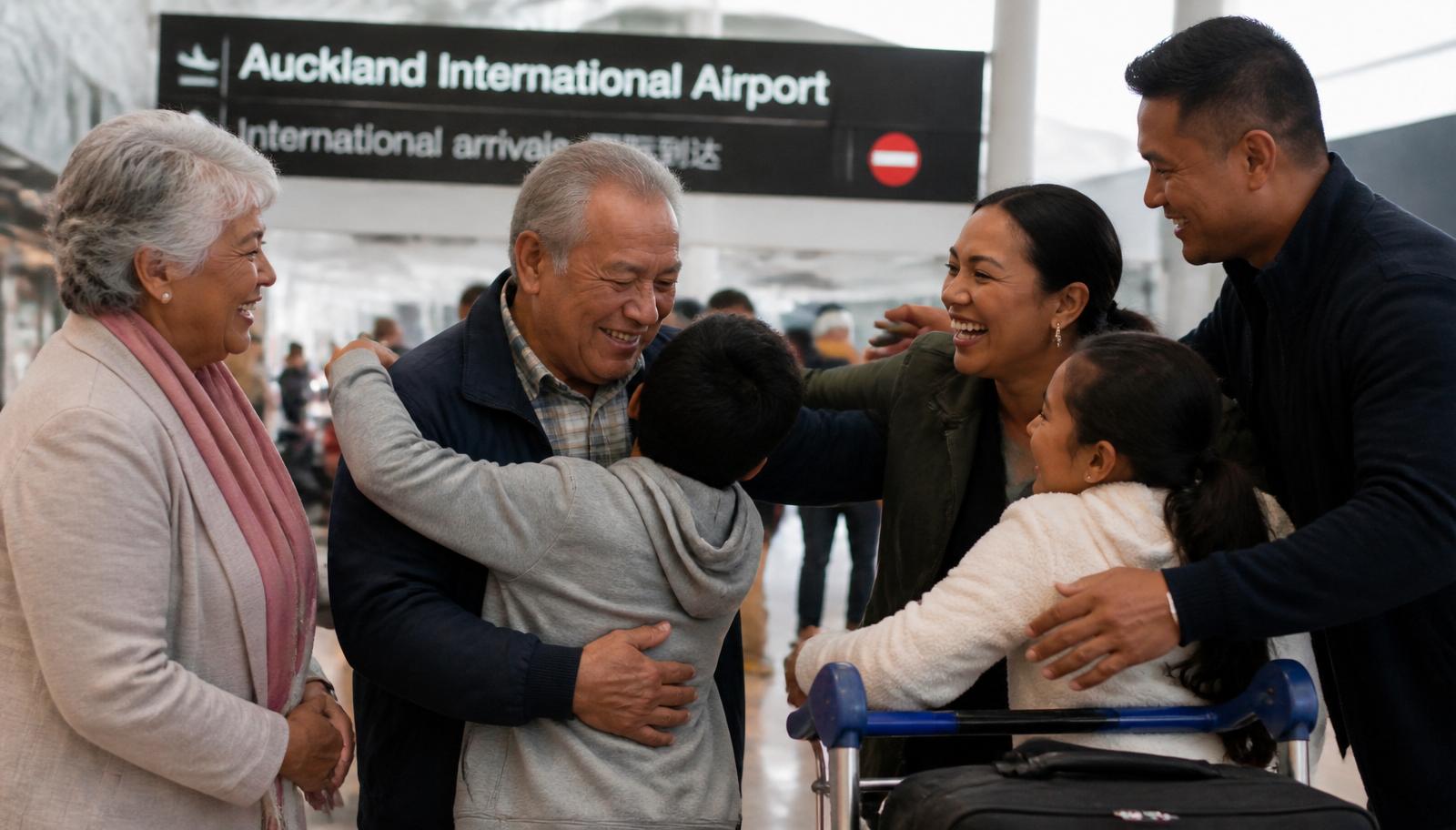
The New Zealand government is set to make clear the future of residence options for parents of migrant New Zealanders.
A spokesperson for Immigration Minister Erica Stanford said she was still receiving advice on the review of the parent category resident visas and an announcement was expected by the end of August.
Changes are expected to centre around the ballot system which picks who can apply for the visas, which are capped at 2500 a year. Latest INZ figures showed 12,000 people had submitted an expression of interest in the previous two years and about half of them were couples.
Critics say the “luck of the draw” ballot process is unfair, and want applications dealt with in a chronological manner. Others would like to see changes to income requirements for family sponsors, who are New Zealand citizens or residents, which is currently set to support one parent at NZD$109,200 a year and at least NZD$145,600 a year for two.
Significantly fewer people than forecast have applied for the five-year Parent Boost Visitor Visa, which opened last year. It was offered as an alternative to the over-subscribed residence category and allows parents of New Zealand citizens and residents to stay for five years. It's renewable for another five years, but it is subject to prescriptive and expensive medical checks and health insurance requirements.
Just over 1100 decisions on Parent Boost Visas have been made since September 2025 and of those less than 900 were approved by the end of June. The government expected between 2000-10,000 applications per year, with a model based on 6000 applications annually.
Part of the problem is the cost of insurance premiums, which increase with age. Quotes vary, with some as high as NZD$14,000 per annum. Further, parents have to leave New Zealand to complete a health check after staying for three years.
Many parents continue to use the Parent & Grandparent Visitor Visa, which allows them to remain on shore in New Zealand for 18 months in each three-year period, for a maximum of six months at a time.